The setup: a brief instead of a learning algorithm
Adam Davidson, writing for How-To Geek, wanted to see whether a local LLM could run his heating better than a smart thermostat that learns habits. His Tado system has a boiler module feeding the radiators, plus smart thermostats on some radiators for room-by-room control. It all runs through Home Assistant.
The plan was to give the model a written brief: the layout of the home, how fast each room warms up based on past data, and the usual weekday and weekend routine. Every 30 minutes the model would read room temperatures and humidity. It could also check phone geolocation, motion and presence sensors, and Bluetooth proxies to see which rooms were in use.
Which small models made the cut
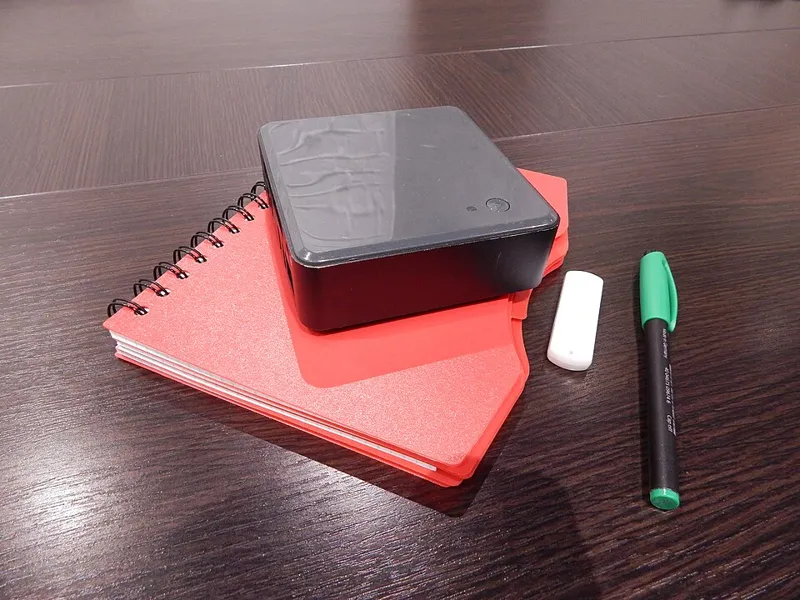
The hardware was modest: Ollama on an old Dell OptiPlex with 16GB of RAM, so models with tens of billions of parameters were out. Davidson tested several small models against scenarios built from real past Tado data and some hypothetical situations.
Granite 4 7B and Nemotron 3 Nano 4B got fewer than half the decisions right. Models with thinking enabled took more than 20 minutes per decision, which he called no use at all. The winner was Qwen 3.5 9B, at 74% correct and two to five minutes per decision. That pace was fine, since nothing needed a split-second call.
Shadow testing before the real handover
Before letting the model touch the boiler, Davidson spent a weekend on shadowtesting. The model stated what it wanted to do, but no commands went to the Tado system. That let him compare its choices against real conditions without any heat actually changing.
After a few prompt tweaks, he was ready to hand over control. The model then ran the heating for four full days. The commands went out through Home Assistant to the Tado system, with a small script working out when heating had to start based on the earlier warm-up rates.
What the four days showed
Davidson describes the results of the four-day run as a mixed bag. The appeal of the approach is that you can tell the model what changed in your routine, rather than waiting for a learning algorithm to catch up.
The trade-offs are visible in the numbers. A 74% hit rate means roughly one decision in four was wrong, and each call took two to five minutes on 16GB of RAM. Thinking models were far slower. Anyone tempted to try this needs a Home Assistant setup, a Tado system, and hardware that can run a 9B model.
What to check before you try it
The experiment ran on one home, one boiler setup, and one week of testing, with four days of live control. The model choice came down to what fit on an old OptiPlex, not a broad benchmark across hardware.
If you want to copy the approach, the pieces are concrete: Home Assistant integration, a written brief covering room warm-up rates and routines, sensor and geolocation inputs, and a script that translates the model's choices into Tado commands. Start with shadow testing so a bad decision doesn't reach your radiators.
Affiliate-Links: Für qualifizierte Käufe können wir eine Provision erhalten, sie ändert weder unsere Daten noch die Rankings. Sie öffnen die Suchergebnisse von Amazon: Preise und Verfügbarkeit stehen dort.